Architecture of Respite: Zen Aesthetics in Modern Kyoto
Published November 18, 2024 • 7 min read • Words by Marcus Thorne
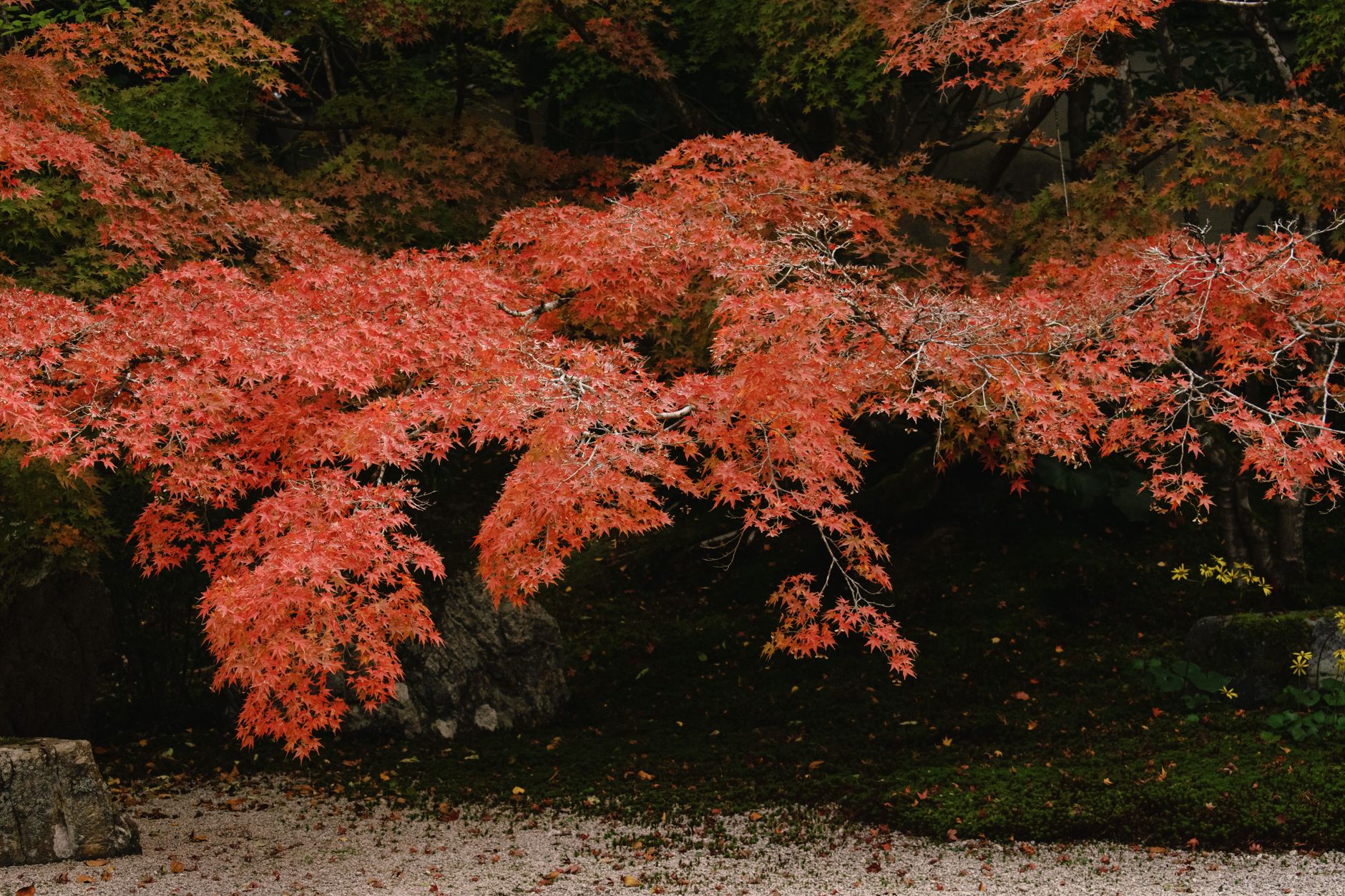
"The beauty of Japanese architectural joinery lies in what it leaves untouched: light, shadow, and the breath of passing seasons."
Kyoto’s heritage neighborhoods retain machiya wooden residences built without a single metallic fastener. Interlocking cypress beams move subtly with earth tremors, exemplifying flexibility over rigid resistance.
Framing the Eternal Now
In temples such as Ryoan-ji and Kennin-ji, the wooden veranda (engawa) functions as an intentional borderland between human domesticity and untamed nature. Sitting quietly on tatami mats as rain patters onto raked granite gravel teaches travelers how to dwell without restlessness.